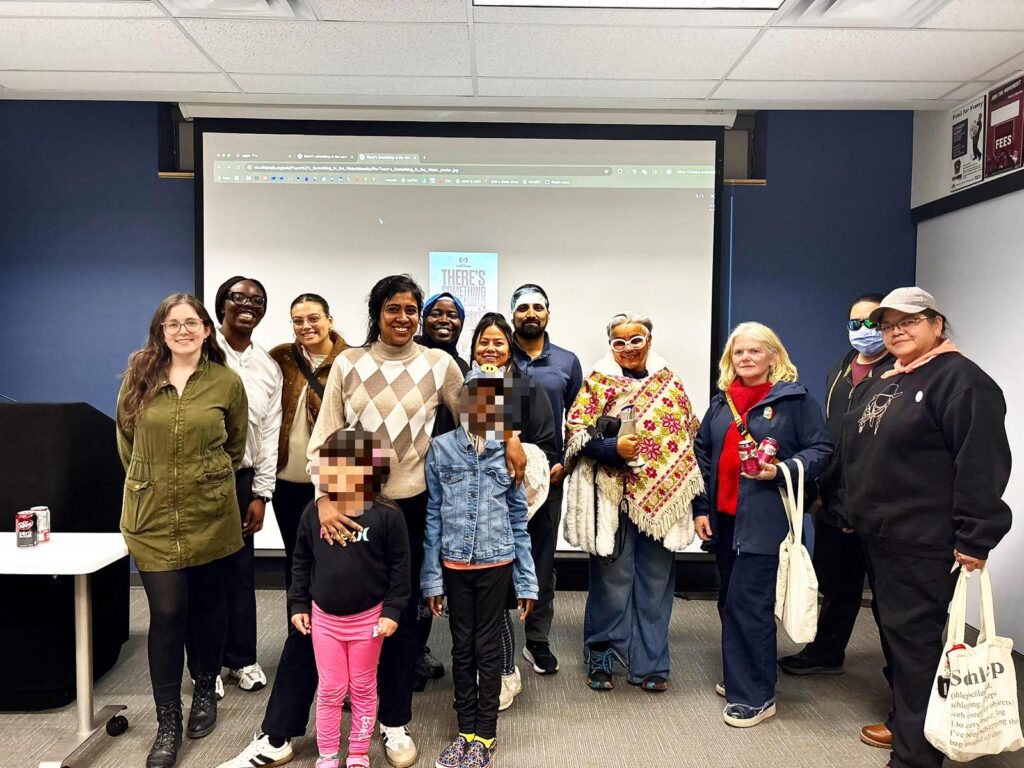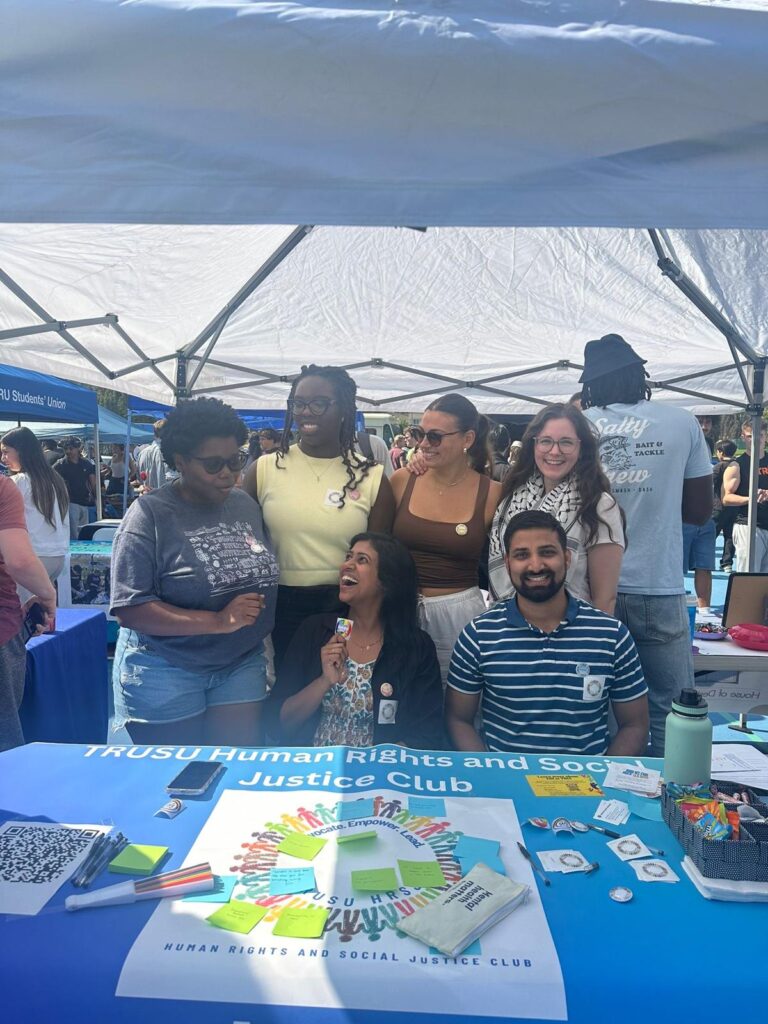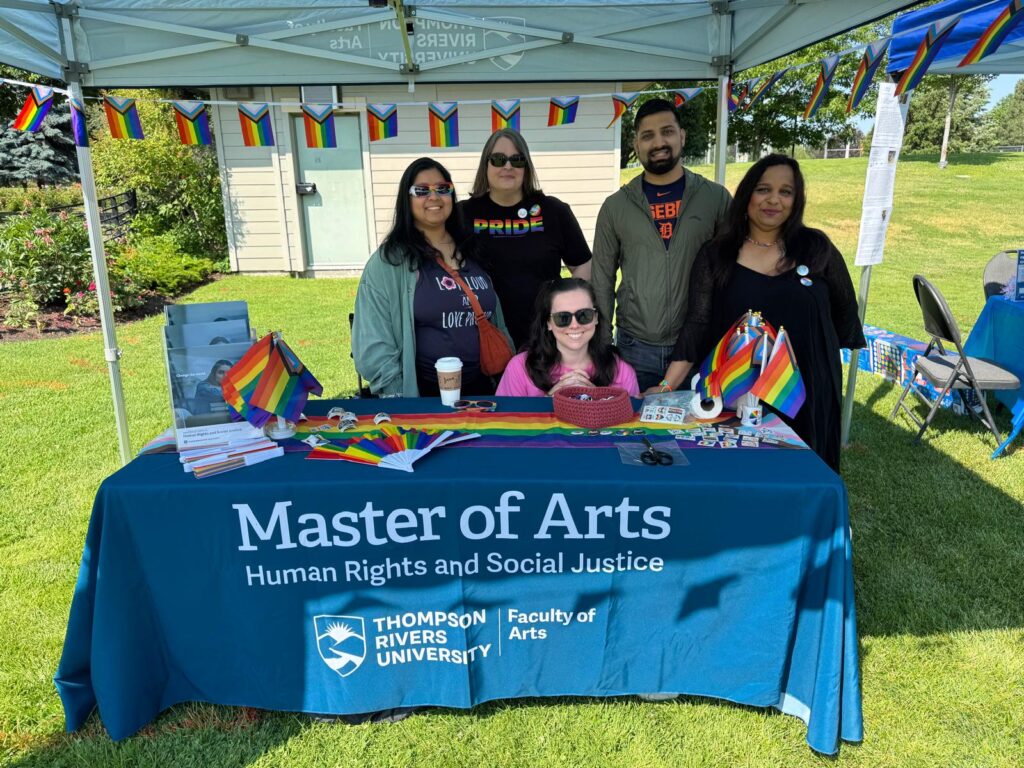
My journey through experiential learning at TRU has significantly shaped my development as a human rights and social justice professional. As an active leader within TRU’s Student Union, I served as both a caucus member and the president of the Human Rights and Social Justice Club. These roles provided me with valuable experience in community-building, event coordination, advocacy, and creating spaces for open dialogue. As a result, I gained greater confidence in facilitating conversations surrounding issues of justice, equity, and the well-being of students. I also learned how to empathize with and respect diverse perspectives when navigating and engaging in sensitive topics.
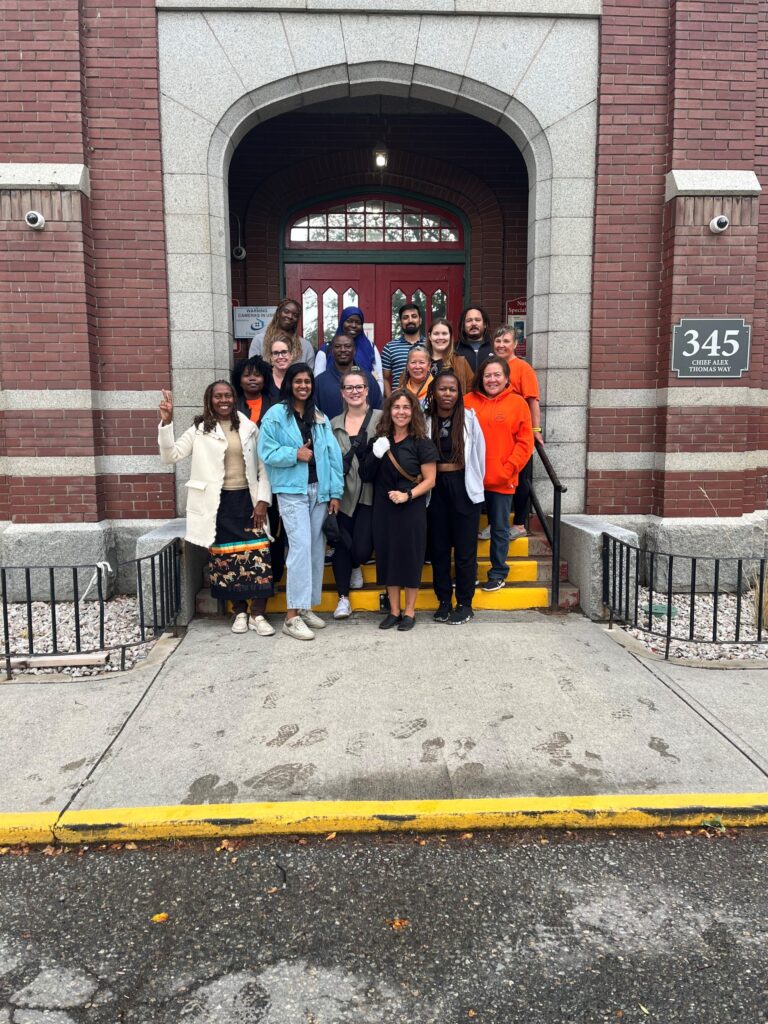
Through my engagement with Secwépemc Elders and knowledge keepers, both inside and outside the classroom, I gained a deeper understanding of the Indigenous way of learning. The teachings of the Elders emphasized relationships, including one’s relationship to the land, the communities in which one lives, and one’s history. I was able to reflect on these teachings in the context of my home country, where similar values are present in our societal system. My understanding of settler colonialism was reinforced by our field trip to Kamloops Residential School, which provided an overview of the residential school system and the continuing impact of colonial violence on Indigenous people. Alongside this, we had the opportunity to visit the Food Sovereignty Garden, Butler Urban Farm, The Stir, and local art galleries. These visits allowed me to connect academic theories about food sovereignty, community care, creativity, and grassroots activism to real-world examples of everyday resistance and resilience.
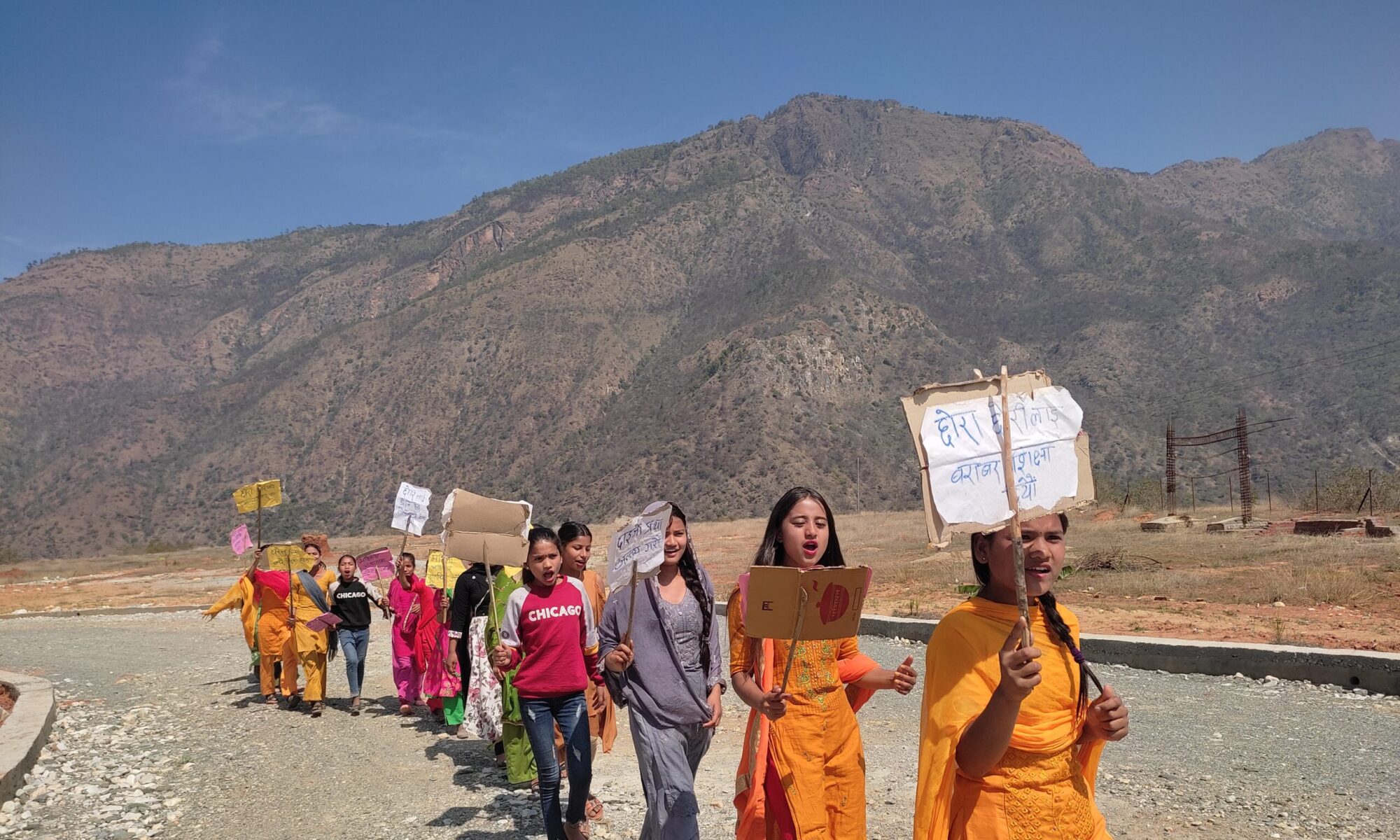
The creative projects I completed throughout my academic courses—including political cartoon analysis, film proposal development, arts assignments, and the UNDRIP-Nepal handbook—also gave me the opportunity to merge theory with creative expression. These assignments enhanced my ability to communicate complex ideas through accessible means and demonstrated the powerful role of creativity within activism, education, and community empowerment.
As a result of these experiential learning opportunities, my commitment to taking a community-based decolonial approach toward human rights work is now stronger. I have learned that engaging with issues of social justice requires participation that honors both our lived experiences and our collective responsibility toward society.
Jenna Woodrow)